
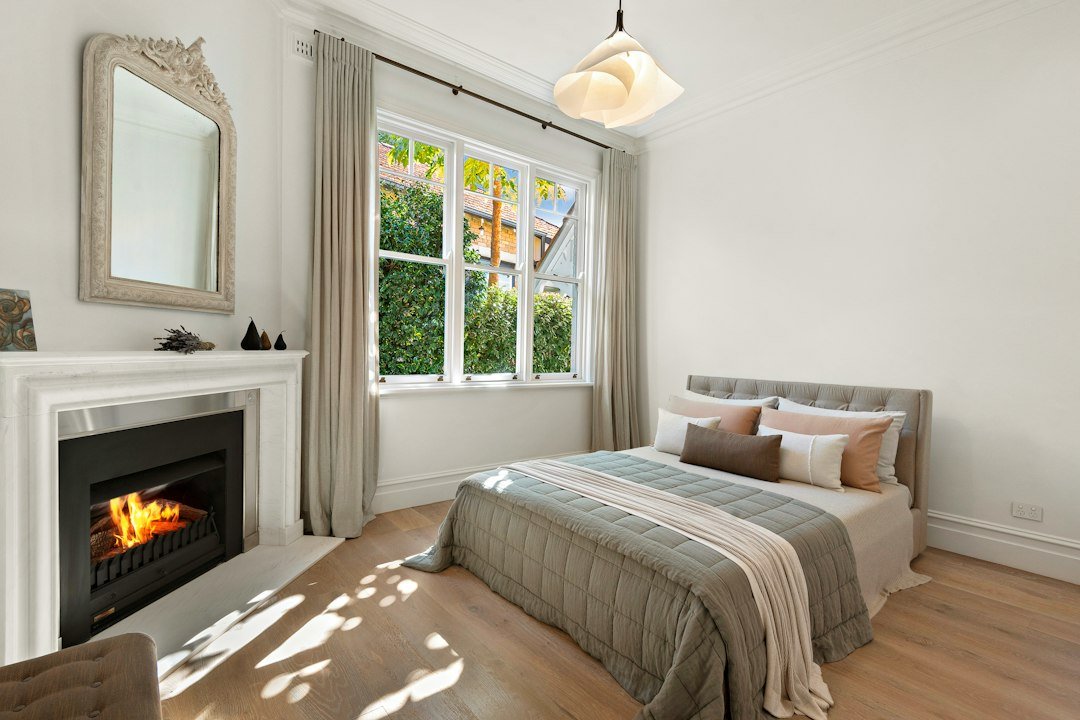
Make the Anaheim Fireplace Heat the Room
Inserts in three fuels, stainless liners and log sets, plus the chimney repairs they depend on.
Every card answers one question: what can this opening and this flue hold? Sweeps, camera work and masonry fixes join in when that answer calls for them.
Chimney Sweep
Brushed top and bottom, vacuumed out, with the clean flue measured for any insert you might order.
Chimney Inspection
Condition first, upgrade notes second, both on one report at the level your plans call for.
Chimney Repair
Repairs split into what the chimney needs anyway and what a new liner would make unnecessary.
Fireplace Inspection
Measurements, damper, hearth and label plate checked so the insert shortlist is real before you shop.
Fireplace Repair
Firebox, panel and damper repairs, with an insert costed in a second column when the list gets long.
Chimney Level 2 Inspection
Recorded footage of the whole flue before a fuel change or a sale, plus the size needed to order a liner.
Chimney Cap Installation
Caps matched to the flue underneath: one tile, several tiles or an insert liner, each with a spark screen.
Chimney Flashing Repair
The roof joint opened and the failing piece found: step flashing, counter flashing or a missing cricket.
Chimney Masonry Repair
Open joints repacked and broken brick replaced before a liner or insert goes in.
Chimney Rebuilds
Failed upper stacks rebuilt, and the new flue built around the appliance you pick first.
Fireplace Cleaning
Open hearths and wood inserts cleaned, with soot patterns read for signs the fire burns poorly.
Gas Fireplace Cleaning
Burner, pilot and glass cleaned on gas units, with the outside vent cap checked for nests.
Gas Fireplace Repair
Gas units tested along the path the gas takes, with a new insert priced beside repairs on older models.
Fireplace Remodel
Appliance chosen first, then the surround, hearth and mantel built around its clearances.
Fireplace Inserts
Wood, gas or pellet laid side by side, sized to your room and vented through stainless to the top.
Pellet Stove Repair
Five usual suspects tested in turn: auger, igniter, two fans and the safety switches.
Wood Stove Repair
A racing fire, smoke at the door or black glass traced to the worn part and put right.
Gas Logs
Flame on a switch for an open fireplace, set beside a gas insert so you can weigh looks against heat.
Chimney Seismic Retrofit
Older brick stacks assessed for quake risk, with anchoring, bracing and lighter rebuild options compared.
Chimney Crown Repair
Weak crowns sealed or recast so rain stops reaching the brick, timed with any liner work.
Dryer Vent Cleaning
Lint cleared end to end, hood flap freed and airflow measured, often on the same trip as a sweep.
Chimney Liner Installation
One stainless run from the appliance to open air, sized from the maker's figure and capped at the top.
Chimney Leak Repair
The real entry point found first, then fixed, with the scope written down before work starts.
Chimney Waterproofing
Masonry repellent as the last coat after repairs, slowing rain while the brick still dries out.
Chimney Damper Repair
Stuck or leaky dampers freed or replaced, or removed when an insert liner is on the way.
Chimney Chase Cover
Rusted chase lids swapped for stainless covers made to the measured chase and shaped to shed water.
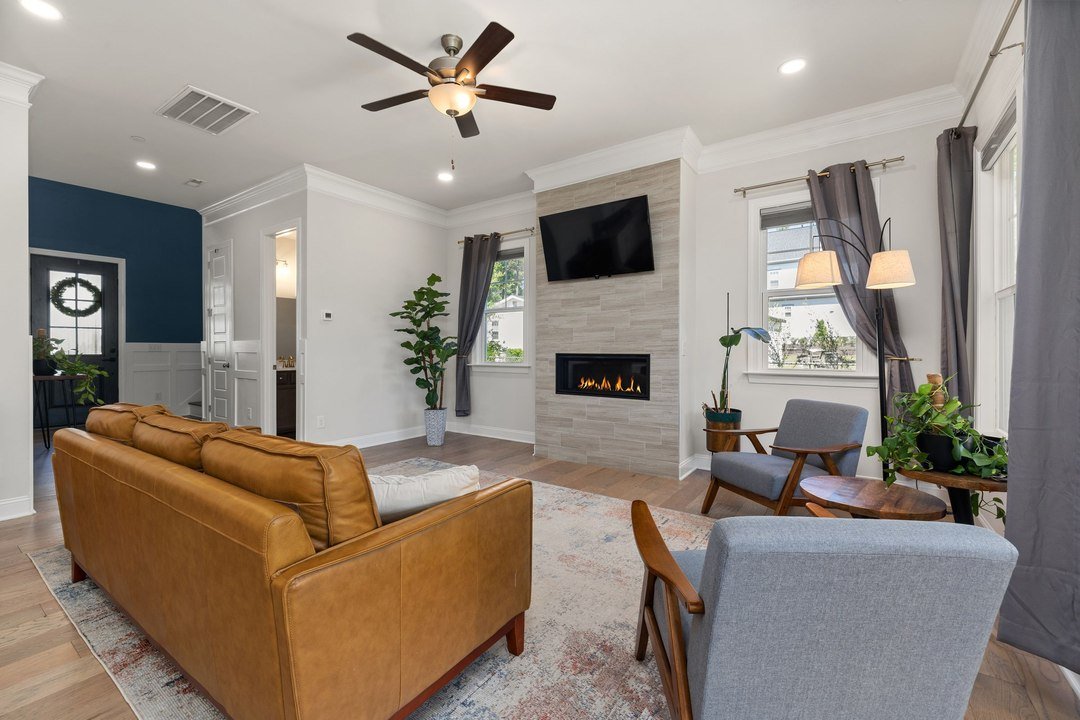
Before Any Model
Front width, back width, depth and height go on paper first.
Lots of Orange County fireplaces are mostly decoration. We change that.
Channing Chimney Services works from Anaheim, and most weeks take us to Brea, Orange and Riverside as well. Tract homes, older bungalows and newer builds there all turn up fireplaces that get lit a few times a winter and warm very little.
The reason is simple: with an open front, the fire draws room air up the chimney as it burns. Closing the front with an insert, lining the flue in stainless, or adding a vented log set each change that, and each suits a different firebox.
No brochure appears until the opening has been measured. We record width, depth and taper, read any label plate, film the flue when the fuel is changing, and then send two or three options that fit, priced side by side.
Firebox width, depth and taper recorded
Trim and mantel gaps held to the unit manual
Inside flue size taken for ordering
Three fuels priced in columns
Three Deciding Facts
Firebox shape, flue condition and available fuel pick the upgrade, so we establish all three.
A Brea sweep and an Orange gas insert run through the same sequence.
Options Side by Side
Inserts, log sets and repairs priced on one sheet, so you choose with the numbers in front of you rather than a sales pitch.
Sized for the Room
Output matched to the room you actually use. In Orange County winters that usually means a modest unit burned well, not a big one turned down.
Stainless to the Top
Each insert gets a liner from the appliance to a sealed plate and screened cap, never a short pipe left inside old tile.
Anaheim and Nearby
Most of our work is in Anaheim, Brea, Orange and Riverside, where many fireplaces were built more for looks than for heat.
Selling, renting or fixing up: pick the page that fits
Channing works for buyers, sellers, agents, owners of gas buildings and anyone handed a repair list. Each page below sets out what we inspect, what you receive and what the usual figures are.
Older house on the market
Clay tile, cast iron dampers and soft brick: what a camera inspection reads in a pre 1980 chimney before closing.
For listing and buyer agents
One contact for every deal, the same booking steps each time, and a report your client can read without help.
Buildings with gas fireplaces
Pilots, valves and vents checked unit by unit in one visit, priced per fireplace.
Fixing a failed inspection
Structure first: cracked tops, loose brick, bracing and rebuilds, then leaks and upgrades, with our prices where we have them.
Weighing Inserts, Liners and Log Sets
Questions that come up while Orange County owners decide how to make an open fireplace heat. Other questions can go through the contact page.
Anaheim first, then Brea, Orange and Riverside
140 area pages, each with a note on what tends to decide the upgrade in that town. Start typing to find yours.
Anaheim
Home base for our insert work, west flats to the Hills
Sixty-five percent of local homes predate 1980, the stretch when metal factory-built fireplaces went into Southern California tracts. Our first move is reading that box's listing plate, and only then do gas insert, pellet unit and new logs go onto one page.
Brea
North county insert territory named for its old tar seeps
La Floresta and Olinda Ranch homes came with gas or factory-built fireboxes, so the menu there is a listed gas insert against fresh logs. Older houses, the 55% predating 1980, add wood and pellet inserts to that comparison.
Orange
Eichler pockets, El Modena and the Chapman campus
A postwar ranch hearth in brick will usually accept a wood or pellet insert riding a stainless liner. East side houses carry factory-built or gas units instead, which shifts our comparison toward a listed gas insert, and we lay both routes out for you.
Riverside
Mount Rubidoux city where the navel orange industry began
Because 57% of houses here predate 1980 and 10% predate 1950, older living rooms deserve a look for a wood or pellet insert. In Orangecrest or Canyon Crest the fireplace is factory-built or gas, so a direct-vent gas insert leads that comparison.
More areas
136 more areas in our directory
Near a city line?
Send the street address and we confirm coverage
The address on the request settles coverage. Across the list, the town also shapes the plan:
Narrow-backed fireboxes
Older brick fireplaces in Anaheim and Orange often taper toward the back wall, and that taper rules out plenty of insert bodies before the flue is even filmed.
Metal boxes in tracts and condos
Tract houses in Brea and Riverside and many condos across the county have factory-built fireplaces. The plate inside each one lists the only inserts or log sets permitted.
Salt air and dry hills
Nearer the beach cities, stainless caps and liner tops hold up against salt air. Inland, during Santa Ana winds, a sealed insert and a screened cap keep sparks where they belong.
From the First Note to the First Fire Behind Glass
Small brick firebox in Anaheim or deep one in Orange, the order stays put: measure, film, compare, fit, then the first fire together.
Say What the Fireplace Should Do
Use the contact form to tell us the address, what kind of fireplace you have and what you want from it: real heat, no more hauling wood, less ash or a new look.
Measure, Read and Film
At the house we measure the opening, read the label plate on prefab units, check the hearth and the mantel, and record the flue on camera if the fuel is changing. We also find where gas could reach the hearth.
Compare on One Sheet
You get the options that actually fit, often a gas insert, a wood or pellet insert and a log set, laid out side by side with what each one needs and what it costs where we publish a price.
Fit in Sequence
Needed repairs come first, then the sweep, the damper removed or opened, the stainless liner lowered, the top sealed and capped, the insert set and connected and the surround fitted.
Light It Together
We run the first fire with you, go over the controls and the yearly upkeep, and leave the manual with our notes. One service a year keeps the liner, glass and moving parts working.
Office hours: 7:00 AM to 7:00 PM, Monday to Sunday.
Learn which insert the opening will really accept
Channing Chimney Services visits from Anaheim with a tape, a flue camera and the manufacturers' sizing charts. You find out what fits, what the chimney needs beforehand, and how wood, gas and pellet stack up for your room.
Open the contact pageOffice open 7:00 AM to 7:00 PM, Saturdays and Sundays included
Tell Us About the Opening
Brick or metal box, gas line or none, glass doors or open. Leave a number and we reply to book the visit.